
 3 min read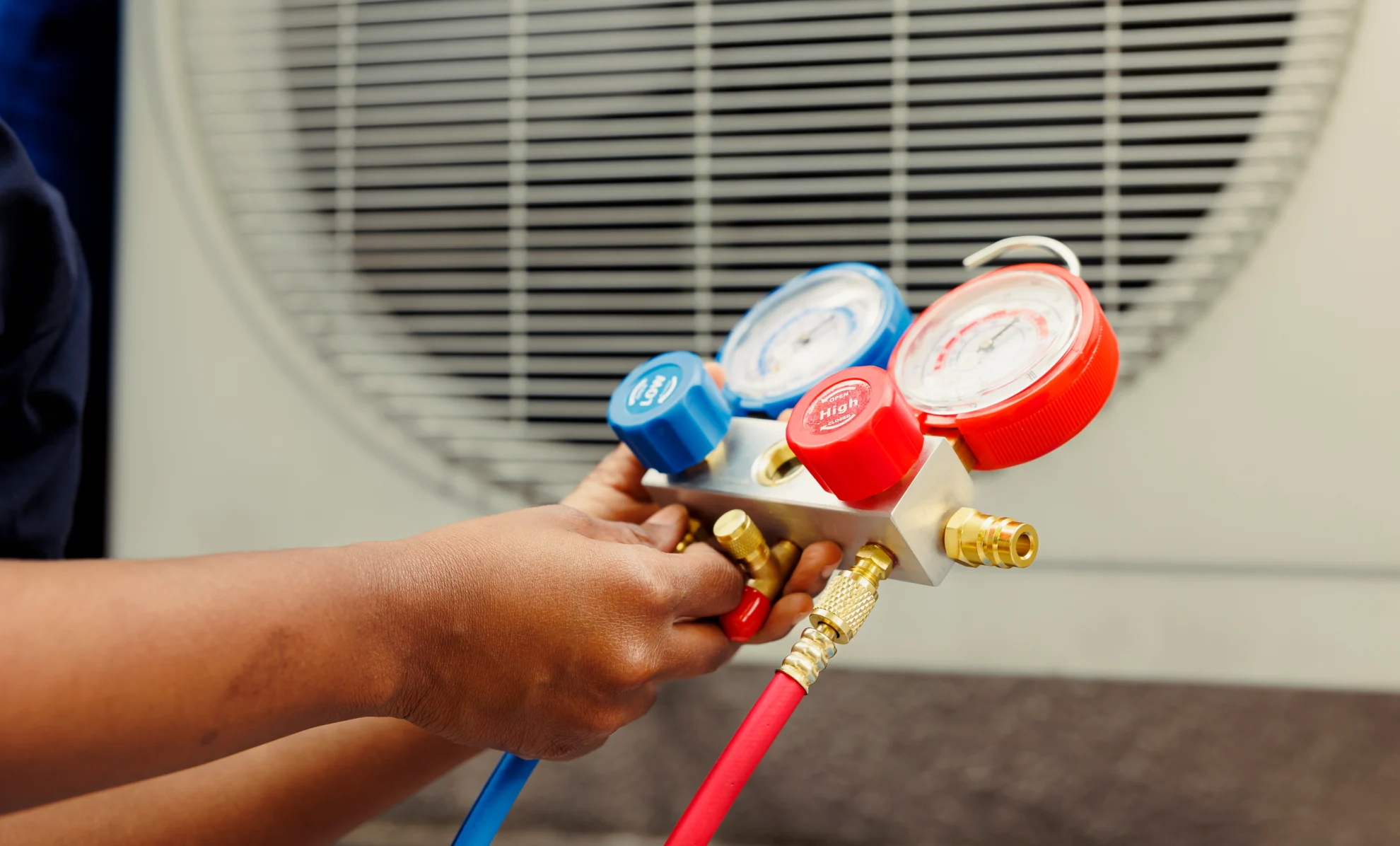
Installing a New HVAC System: A Complete Step-by-Step Process
Installing a new heating, ventilation, and air conditioning system is one of the most important upgrades a homeowner can make. A properly designed system improves comfort, energy efficiency, and indoor air quality while reducing long-term utility costs. However, installing new HVAC equipment is not a simple task—it requires planning, proper system selection, and professional expertise.
This guide walks you through the complete process of a HVAC system install, from choosing the right equipment to final testing and system startup.
Step 1: Understanding Your Home’s HVAC Needs
Before any installation begins, it’s important to assess your home’s heating and cooling requirements. Every property is different, and factors such as square footage, insulation, ceiling height, and climate all affect system performance.
A professional technician will typically perform a load calculation to determine the correct system size. This ensures your HVAC system is neither too large nor too small, both of which can cause efficiency issues.
Understanding your needs is the foundation of installing new HVAC systems correctly and efficiently.
Step 2: How to Choose a New HVAC System
One of the most important decisions homeowners face is how to choose a new HVAC system. There are several types available, including:
- Central air conditioning systems
- Heat pumps
- Ductless mini-split systems
- Hybrid systems
Each system has its own advantages depending on your home layout and energy goals. For example, heat pumps are highly energy-efficient in moderate climates, while central air systems are ideal for whole-home cooling.
When learning how to choose a new HVAC system, it’s important to consider:
- Energy efficiency ratings (SEER, HSPF)
- System size and capacity
- Compatibility with existing ductwork
- Long-term maintenance costs
A well-chosen system ensures better performance and lower operating costs over time.
Step 3: Choosing the Right HVAC Installer
Even the best equipment will underperform if it is not installed correctly. That’s why knowing how to choose an HVAC installer is just as important as choosing the system itself.
A qualified installer should be:
- Licensed and insured
- Experienced with your type of system
- Transparent about pricing and timelines
- Knowledgeable about local building codes
When selecting a contractor, always ask for references and check reviews. A reliable professional will also perform a detailed home assessment before starting the installation.
Choosing the right installer ensures your HVAC system install is done safely and efficiently.
Step 4: Preparing for Installation
Once the system and installer are selected, preparation begins. This stage involves scheduling the installation, clearing work areas, and ensuring access to electrical panels, ductwork, and outdoor units.
Homeowners may also need to prepare for temporary disruptions, especially if the old system is being removed. In some cases, installers may recommend minor electrical or structural adjustments before proceeding.
Proper preparation helps streamline the steps to install a new HVAC system and reduces delays during installation.
Step 5: Removing the Old HVAC System
If you are replacing an existing system, the next step is safe removal. This includes:
- Disconnecting electrical components
- Removing refrigerant safely
- Detaching indoor and outdoor units
- Inspecting ductwork for damage or leaks
This step must be done carefully to avoid environmental hazards and ensure the new system has a clean foundation for installation.
Step 6: Installing the New HVAC System
This is the core phase of installing new HVAC equipment. The process varies depending on the type of system, but typically includes the following steps:
1. Installing the Indoor Unit
The air handler or furnace is installed in an attic, basement, or utility space. It is connected to the duct system and electrical supply.
2. Installing the Outdoor Unit
The condenser unit is placed on a stable, level surface outside the home. Proper clearance is ensured for airflow and maintenance access.
3. Connecting Refrigerant Lines
Refrigerant lines are carefully installed between indoor and outdoor units to enable cooling and heating transfer.
4. Electrical Connections
The system is wired to the home’s electrical panel, ensuring safe and efficient operation.
5. Ductwork Adjustments
If needed, ducts are sealed, repaired, or modified to improve airflow and efficiency.
These steps to install a new HVAC system must be completed with precision to ensure long-term reliability.
Step 7: System Testing and Calibration
After installation, the system is thoroughly tested. This includes checking airflow, refrigerant levels, thermostat accuracy, and electrical connections.
Technicians also calibrate the system to ensure it operates at peak efficiency. Any issues discovered during testing are corrected before final approval.
This stage ensures your HVAC system install meets safety and performance standards.
Step 8: Final Walkthrough and Homeowner Education
Once testing is complete, the installer provides a final walkthrough. Homeowners are shown how to operate the system, adjust settings, and maintain basic components like filters.
This is also the time to ask questions about maintenance schedules, warranty coverage, and energy-saving tips.
A good installer will ensure you feel confident using your new system.
Step 9: Maintenance After Installation
Proper maintenance is essential for long-term performance. Regular filter changes, seasonal tune-ups, and professional inspections help extend the life of your system.
Neglecting maintenance can reduce efficiency and lead to costly repairs over time. Most professionals recommend servicing your system at least twice a year.
Final Thoughts
Understanding the process of installing new HVAC systems helps homeowners make informed decisions and avoid costly mistakes. From learning how to choose a new HVAC system to selecting the right contractor and following the steps to install a new HVAC system, each stage plays a critical role in overall performance.
A properly executed hvac system install not only improves comfort but also enhances energy efficiency and home value. By choosing the right equipment and working with a qualified installer, you can ensure your system performs reliably for years to come.