
 3 min read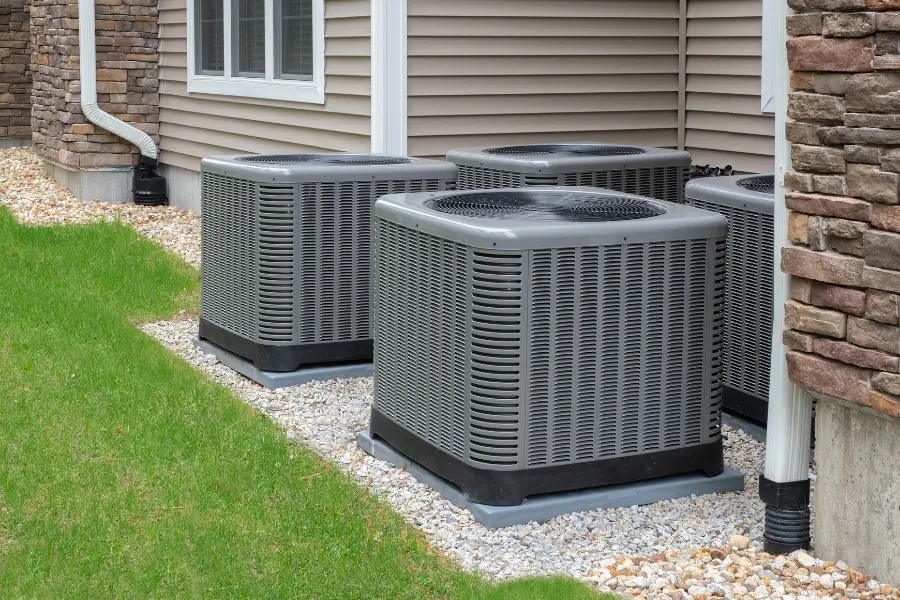
Maximizing Heat Pump Installation Efficiency: Process, Costs, and Step-by-Step Requirements
Why Efficient Heat Pump Installation Matters
A reliable heating and cooling system isn’t a luxury in Santa Fe, TX, it’s a necessity. Whether you’re a homeowner or a business owner, choosing the right HVAC solution can reduce energy bills and keep your space comfortable year-round.
Heat pump installation is an efficient solution that handles both heating and cooling using one system. But to get the most from it, the installation process must be done right. In this guide, we’ll walk through the entire heat pump installation process, break down costs, and highlight the most important heat pump installation requirements.
You’ll also learn how to install a heat pump properly and ways to improve heat pump installation efficiency from the start.
What Is a Heat Pump?
A heat pump moves heat instead of creating it. During summer, it pulls warm air out of your home. In winter, it pulls heat from the outside air or ground and brings it inside.
Unlike traditional systems, heat pumps work year-round and can lower energy use when installed correctly.
Common Types of Heat Pumps:
- Air-source heat pumps (most common)
- Ground-source (geothermal) heat pumps
- Ductless mini-split systems
Heat Pump Installation Process: Step-by-Step Breakdown
Installing a heat pump involves more than connecting equipment. The process includes proper planning, safe electrical work, and making sure the system is sized and placed correctly.
1. Site Evaluation
The technician will assess:
- Square footage of the home or building
- Ductwork conditions
- Electrical panel capacity
- Insulation and airflow
- Placement for indoor and outdoor units
This step ensures the system is the right size and that installation will meet local building codes.
2. Choosing the Right Equipment
Size matters. An oversized unit cycles too often, causing wear. An undersized unit can’t meet the heating or cooling load. Accurate load calculations are critical.
You’ll also choose between:
- Single-zone or multi-zone units
- Ducted or ductless models
- ENERGY STAR® rated systems for higher efficiency
3. Electrical and Code Requirements
Before the installation begins, proper permits must be pulled. The electrical panel must be checked to ensure it can handle the added demand. Most heat pumps need a dedicated circuit and proper grounding.
4. Installation Day
Here’s what the installation typically involves:
- Mounting the indoor and outdoor units
- Connecting refrigerant lines, power supply, and drainage
- Installing or modifying ductwork, if needed
- Setting up the thermostat
- Charging refrigerant lines
- Testing system operation
5. Final Inspection and Test
The last step includes a full system test to confirm everything runs safely and efficiently. Technicians check temperature controls, refrigerant pressure, and airflow. Once everything checks out, the system is good to go.
Heat Pump Installation Cost in Santa Fe, TX
One of the biggest concerns is cost. Here’s what to expect when budgeting for a new heat pump.
| Installation Type | Average Cost Range |
| Air-source heat pump | $4,500 to $8,500 |
| Ground-source (geothermal) | $10,000 to $25,000+ |
| Ductless mini-split system | $3,500 to $7,500 per zone |
| Labor and permit fees | $1,500 to $3,000 |
Factors That Affect Cost:
- Home or building size
- Ductwork repairs or upgrades
- Electrical panel upgrades
- System type and brand
- Number of zones (for ductless systems)
- Rebates or local incentives
A licensed HVAC company will provide a quote based on a detailed site inspection.
Heat Pump Installation Requirements
Installing a heat pump involves meeting several technical and legal requirements. Ignoring these can lead to system failure, safety hazards, or fines.
Sizing and Load Calculations
Every heat pump must match the home’s heating and cooling needs. Load calculations (Manual J) take insulation, square footage, windows, and orientation into account.
Ductwork Assessment
Ducts must be sealed, clean, and sized properly. Leaky ducts can lower efficiency by 20 to 30 percent. For older homes, duct upgrades are often needed.
Electrical Capacity
Your existing panel must be able to handle the system’s power load. A 240-volt circuit is usually required. If the panel is outdated, an upgrade will be needed.
Code Compliance
Installers must follow all local codes, including:
- Clearance around outdoor units
- Electrical safety guidelines
- Proper refrigerant line insulation
- Correct drain line slope and outlet
Permits and Inspections
Skipping this step can cause trouble down the road. Proper permitting ensures the system is safe, legal, and ready for inspection.
How to Install a Heat Pump (Overview)
Although it’s not a DIY project, knowing how to install a heat pump can help you understand what to expect from a professional service.
Basic Steps:
- Prep the work area and ensure access to both indoor and outdoor locations.
- Install the indoor unit and connect it to power and refrigerant lines.
- Mount the outdoor unit on a pad or brackets.
- Run refrigerant and drainage lines between the units.
- Connect the thermostat wiring and program it.
- Test for leaks, charge refrigerant, and start the system.
Installation usually takes one to two days for standard homes. Commercial installations may take longer depending on complexity.
Improving Heat Pump Installation Efficiency
Getting the system in place is just one part. You want the installation to support long-term efficiency and savings.
1. Insulate Before You Install
Proper insulation reduces the workload on your heat pump. Blown-in insulation is one of the easiest ways to seal your attic and walls. This leads to faster heating and cooling, lower bills, and a more comfortable space.
Tip: Use Pink Panther Blown-In Insulation for reliable performance.
2. Keep Your System Maintained
Regular filter changes, coil cleaning, and seasonal inspections help your system run at full capacity. We recommend a maintenance check twice a year.
3. Use a Smart Thermostat
Set temperature schedules to avoid overuse. Many heat pumps work better when paired with smart thermostats that learn your patterns.
4. Seal Windows and Doors
Air leaks cancel out the gains from high-efficiency systems. Make sure all windows, doors, and attic entry points are properly sealed.
Heat Pump Installation for Commercial Buildings
Heat pumps are not just for homes. They are becoming a reliable option for:
- Offices
- Retail stores
- Restaurants
- Medical facilities
- Warehouses
Benefits for Businesses:
- Consistent indoor temperatures
- Lower monthly energy use
- Quiet operation
- Minimal equipment footprint
Businesses in Santa Fe, TX, also benefit from zoning systems that allow different rooms or sections to be set at separate temperatures.
Key Takeaways
To get the most out of your heat pump, keep these points in mind:
- The right installation starts with accurate sizing and planning.
- Always factor in heat pump installation cost before deciding.
- Follow the proper heat pump installation process to avoid issues.
- Meeting all heat pump installation requirements keeps your system legal and safe.
- Boosting heat pump installation efficiency can lead to real savings over time.
Why Work With On The Way AC Plumbing & Electric?
We’ve served Santa Fe, TX, since 1976 and know what it takes to install a heat pump the right way. We don’t rush the job. We get it done properly, from load calculations to system testing. As a family-owned HVAC company, we’re proud of the work we do and the people we do it for. If something isn’t right, we’ll fix it. Every time.
When you choose On The Way, you’re not hiring a corporation. You’re working with a small, local business that shows up, does the work, and stands behind it. That’s our guarantee.