
 4 min read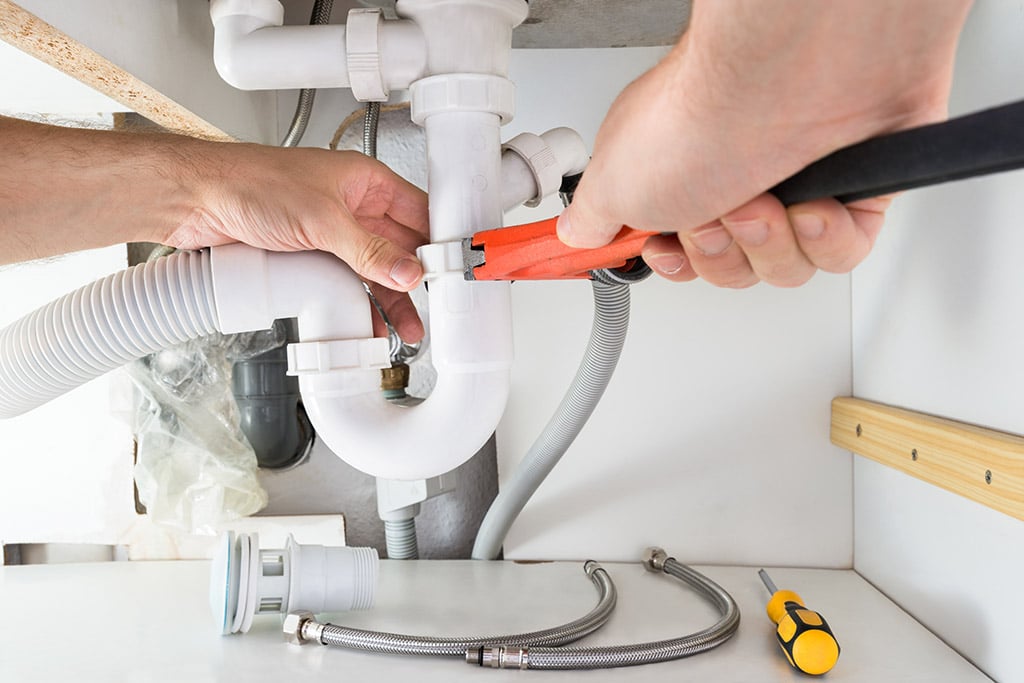
Plumbing Maintenance Tips for Homeowners
Checklist and Common Problems
Every homeowner should know how to take care of their plumbing system. Simple habits and regular checks can prevent leaks, clogs, and water damage. With the right plumbing maintenance tips, you can save money, avoid stress, and keep your home safe and efficient.
At On The Way AC Plumbing & Electric, we understand that plumbing issues can happen anytime. Our goal is to help you stay ahead with a practical plumbing maintenance checklist and easy-to-follow advice. This guide explains how plumbing works, how to handle common plumbing problems, and when to call a plumber for professional help. By following these plumbing maintenance tips, you can protect your home, improve efficiency, and prevent unexpected repairs year-round.
Understanding How Plumbing Works
Knowing how plumbing works makes it easier to spot early signs of trouble. Your home’s plumbing has two main systems:
- Water supply system: delivers clean, pressurized water to fixtures like sinks, showers, and appliances.
- Drainage system: removes wastewater through gravity-fed pipes that lead to your sewer or septic tank.
If any part of this setup clogs, leaks, or loses pressure, you’ll notice it fast. Water may drain slowly, make gurgling sounds, or create damp spots on walls or floors. Understanding these basics helps you know which issues you can handle and which need professional attention.
Why Regular Plumbing Maintenance Matters
A simple plumbing maintenance checklist can save you from major repair bills later. Over time, pipes corrode, seals loosen, and sediment builds up in fixtures. Without regular upkeep, small leaks can become serious damage.
Routine maintenance helps you:
- Prevent mold, mildew, and water stains.
- Reduce water bills by fixing small leaks early.
- Keep drains clear and water flowing smoothly.
- Extend the life of your plumbing system.
Maintenance doesn’t have to be complicated. With a few simple checks each month, you can avoid many common plumbing problems.
The Complete Plumbing Maintenance Checklist
Here’s your step-by-step plumbing maintenance checklist to keep your home running efficiently year-round.
1. Inspect Faucets and Fixtures
- Check each faucet regularly for drips or leaks.
- Turn faucets on and off to make sure water flows smoothly.
- Look under sinks for moisture or corrosion on pipes.
- Tighten loose fittings or replace worn washers and O-rings.
A slow drip may seem minor, but it can waste gallons of water each day. Fixing small leaks right away saves water and prevents damage to cabinets or walls.
2. Clean and Clear Drains
- Avoid pouring grease, coffee grounds, or food scraps down drains.
- Use strainers in sinks, tubs, and showers to catch debris.
- Once a month, pour hot water, baking soda, and vinegar into drains to break down buildup.
- If multiple drains clog at once, call a plumber to inspect the sewer line.
Keeping drains clean prevents blockages and unpleasant smells. Chemical cleaners can damage your pipes, so choose safer cleaning methods.
3. Test Water Pressure
- Attach a pressure gauge to an outdoor spigot.
- Ideal water pressure should be between 40 and 60 psi.
- If the reading is higher, install a pressure-reducing valve.
- If pressure is low throughout your home, there may be a leak or buildup inside the pipes.
Proper pressure keeps your plumbing system safe. High pressure stresses pipes and joints, leading to premature wear.
4. Flush the Water Heater
- Turn off the power or gas supply to the heater.
- Attach a hose to the drain valve at the bottom of the tank.
- Drain until water runs clear to remove sediment buildup.
- Refill and turn the system back on.
Flushing once a year helps your heater work more efficiently and last longer. If your water heater makes strange noises or leaks, it’s time to call a plumber.
5. Check Toilets for Leaks
- Add a few drops of food coloring to the tank.
- Wait about ten minutes without flushing.
- If color appears in the bowl, water is leaking from the tank.
- Replace worn flappers or fill valves to stop leaks.
A running toilet can waste hundreds of gallons of water every month. Fixing small parts early keeps your system efficient.
6. Inspect Pipes and Hoses
- Check visible pipes under sinks and behind appliances.
- Look for rust, moisture, or small cracks.
- Replace old, brittle, or bulging hoses on washing machines and dishwashers.
- Use stainless steel hoses for durability and leak resistance.
Regular inspections prevent sudden bursts and leaks that can cause serious water damage.
7. Maintain Traps and Drains
- Remove and clean P-traps to prevent buildup.
- Pour water down unused drains to keep traps filled.
- Use drain covers in bathrooms to catch hair and debris.
- If you notice sewer smells, check traps and clean them out.
This simple maintenance step keeps your home odor-free and your drains working properly.
8. Protect Pipes During Cold Weather
- Insulate outdoor pipes, garage lines, and attic pipes.
- Keep cabinet doors open to let warm air reach pipes under sinks.
- On freezing nights, let faucets drip slightly to keep water moving.
- Disconnect and drain garden hoses before cold weather hits.
Even in Santa Fe, TX, winter cold can cause frozen pipes. Taking these steps prevents pipe bursts and water damage.
9. Know Your Main Shut-Off Valve
- Locate your main shut-off valve, usually near the water meter or where the line enters the home.
- Test it to make sure it turns easily.
- Label it clearly for everyone in your household.
- Teach family members how to shut it off in an emergency.
Knowing how to turn off your water supply can prevent severe flooding and expensive repairs if a pipe breaks.
Common Plumbing Problems and Simple Fixes
Even with good maintenance, some problems can still occur. Here are common issues and how to handle them:
- Leaky Faucets: Usually caused by worn washers or valves. Replace parts or call a plumber if leaks continue.
- Clogged Drains: Use a plunger or drain snake for minor clogs. For multiple clogs, professional service is needed.
- Running Toilets: Replace the flapper or float valve to stop continuous running.
- Low Water Pressure: Clean aerators and showerheads. If it affects the whole house, there might be a supply line problem.
- Leaking Pipes: Apply a temporary clamp or tape, then contact a plumber right away.
These plumbing tips for homeowners will help you stay prepared and handle small issues safely.
When to Call a Plumber
Some plumbing issues need professional attention. You should call a plumber if you notice:
- Constant leaks despite DIY fixes.
- Sewage smells or gurgling sounds in drains.
- Rust-colored or cloudy water.
- Low pressure in multiple fixtures.
- Burst pipes or flooding.
A licensed plumber has the right tools and experience to find and repair the cause safely.
Final Thoughts on Plumbing Maintenance
By following these plumbing maintenance tips, you can avoid sudden plumbing failures and save money on repairs. Regular care ensures your system stays reliable and efficient. Use this checklist to inspect your plumbing each season and act fast when you spot early signs of trouble.
Taking a proactive approach is the smartest way to keep your plumbing system working well year after year.
How On The Way AC Plumbing & Electric Can Help
At On The Way AC Plumbing & Electric, we have proudly served Santa Fe, TX, since 1976. Our licensed plumbers handle everything from maintenance and repairs to new plumbing installations. We are a family-owned business that believes in honest work, reliable service, and community values. We stand behind every job with a 100% satisfaction guarantee.
If you need professional plumbing help, call (409) 310-1464 today and ask about our Spring Specials.